
Residential Gas Pipeline Installation in UAE – A Complete Guide for Safe and Reliable Gas Supply
Residential gas pipeline installation is a vital part of modern residential infrastructure in the UAE. From apartment towers and gated villa communities to mixed-use residential developments, centralized LPG systems provide a safe, efficient, and uninterrupted gas supply for everyday living.
Unlike traditional gas cylinders that require frequent replacement and manual handling, a centralised gas pipeline network distributes LPG from bulk storage tanks directly to individual homes. This approach improves safety, reduces operational inconvenience, and ensures consistent gas availability for residents.
However, residential gas pipeline installation is not a simple technical task. It requires detailed engineering, accurate demand calculations, professional installation, and strict compliance with UAE safety standards. Every component—from LPG storage tanks and pressure regulators to residential gas piping and safety systems—must work together to ensure reliable operation.
At Gulf Gas, we specialise in designing, installing, and maintaining residential LPG systems that deliver long-term safety, efficiency, and performance across the UAE.
Understanding Residential Gas Pipeline Installation
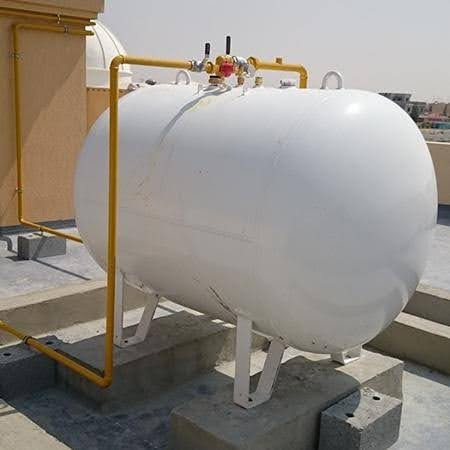
A residential gas pipeline installation system distributes LPG from a centralized storage location to multiple residential units within a building or community. The process begins with bulk LPG storage tanks placed in a designated outdoor area where the gas is stored safely before distribution.
From the storage facility, gas passes through pressure regulators that reduce the high pressure inside the tanks to safe operating levels suitable for household appliances. The gas then travels through a network of residential gas piping that extends throughout the property and reaches each apartment or villa.
Each residential unit is equipped with its own gas connection, meter, and safety valve, allowing controlled and monitored gas usage. This centralized system eliminates the need for residents to manage individual cylinders while providing a safer and more convenient energy solution.
Why Residential Gas Pipeline Installation Matters
A professionally designed gas pipeline system does much more than deliver fuel to kitchens. It supports the overall safety, comfort, and operational efficiency of a residential property.
One of the most important advantages is safety. Modern systems incorporate pressure regulators, emergency shut-off valves, and leak detection mechanisms that help minimize operational risks and protect residents.
Another major benefit is uninterrupted gas supply. Because LPG is stored centrally and distributed continuously, residents do not experience the inconvenience of replacing cylinders or running out of gas during daily use.
Residential gas pipeline installation also improves convenience and space utilization. Without individual cylinders inside homes, kitchens remain cleaner and more organized, and residents can rely on a seamless gas supply without manual handling.
For developers and facility managers, centralized gas systems simplify fuel management, reduce maintenance complexity, and support long-term operational reliability.
How Residential Gas Pipeline Installation Works
Every residential gas pipeline installation follows a structured engineering and installation process designed to ensure safe and reliable operation.
1. Site Evaluation and System Design
The project begins with a detailed assessment of the property. Engineers evaluate the number of residential units, expected gas consumption, kitchen layouts, available utility space, and storage tank requirements.
Accurate demand calculations are essential at this stage because the system must be capable of handling peak usage periods without affecting gas pressure or appliance performance.
2. LPG Storage Tank Installation
Once the design is finalised, LPG storage tanks are installed in a designated outdoor area. The location must comply with UAE safety regulations, provide adequate ventilation, and allow safe access for maintenance and refilling operations.
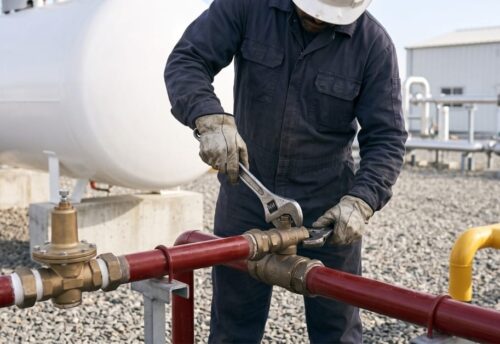
During this phase, technicians also install pressure regulators, isolation valves, and monitoring equipment that control gas distribution throughout the property.
3. Residential Gas Piping Installation
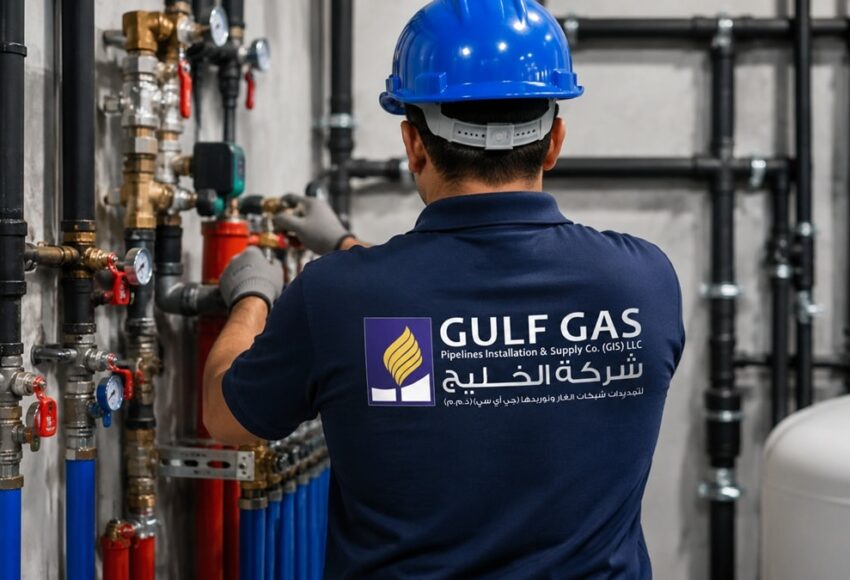
The next stage involves building the residential gas piping network. Pipelines are routed through protected utility areas, service shafts, and corridors to minimise exposure to damage or excessive heat.
Proper pipe support, corrosion protection, and pressure management are critical for long-term system durability and stable gas distribution.
4. Apartment-Level Connections
Each residential unit receives a dedicated connection linked to the main gas distribution network. Technicians install gas meters, appliance connectors, and emergency shut-off valves that allow safe and controlled gas usage within the home.
5. Testing and Commissioning
Before activation, the entire system undergoes pressure testing, leak detection checks, and safety inspections. Only after all tests are completed successfully and regulatory requirements are met is the gas supply commissioned for resident use.
Safety Standards for Residential Gas Pipeline Installation
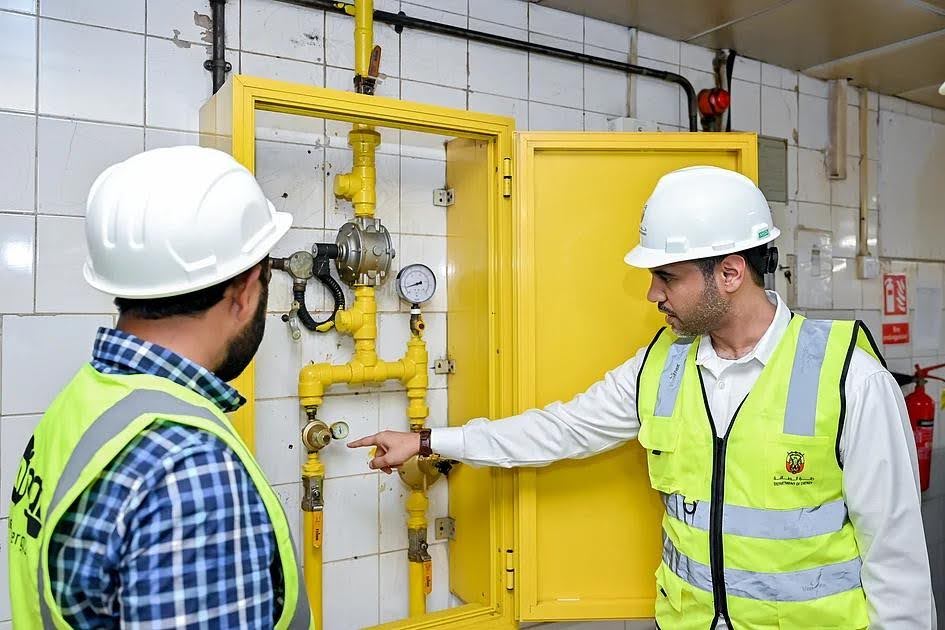
Safety is the foundation of every successful residential LPG system. To maintain safe operation, installations must follow strict engineering and operational standards.
- LPG storage tanks should be installed in approved outdoor locations with proper ventilation and safety clearances.
- Only certified pipes, valves, regulators, and fittings designed for LPG distribution should be used.
- Pressure regulation equipment must be installed to maintain stable gas flow throughout the building.
- Gas leak detection systems and emergency shut-off valves should be integrated into the installation.
- Routine inspections and preventive maintenance must be carried out by qualified professionals.
Regular maintenance is essential for identifying wear, corrosion, or pressure-related issues before they become major operational problems. Many property managers rely on professional maintenance teams to keep their systems compliant and functioning safely.
Common Mistakes to Avoid
Even a well-planned project can encounter problems if critical details are overlooked during installation or maintenance.
One common mistake is inaccurate demand estimation. If the system is undersized, residents may experience weak gas pressure during peak cooking hours.
Another issue is poor pipeline routing. Gas pipelines should never be exposed to excessive heat, physical damage, or unauthorized modifications.
Using low-quality materials can also lead to long-term reliability problems. Residential gas systems require certified components that meet safety standards and withstand continuous operation.
Finally, skipping regular maintenance is a major risk. Even the best installation requires periodic inspection to ensure valves, regulators, and pipelines remain in safe working condition.
Why Choose Gulf Gas for Residential Gas Pipeline Installation?
Gulf Gas is one of the UAE’s trusted providers of LPG storage, gas pipeline installation, and gas distribution solutions. Our team has extensive experience delivering residential gas infrastructure for apartment buildings, villa communities, and large-scale housing developments.
We provide customized residential gas pipeline installation solutions that prioritize safety, efficiency, and long-term performance. Every project is executed in compliance with UAE regulations and industry best practices, using high-quality materials and advanced engineering methods.
Beyond installation, Gulf Gas offers ongoing maintenance and emergency support services to help property owners maintain reliable gas systems for years to come.
Reliable Gas Infrastructure for Modern Residential Communities
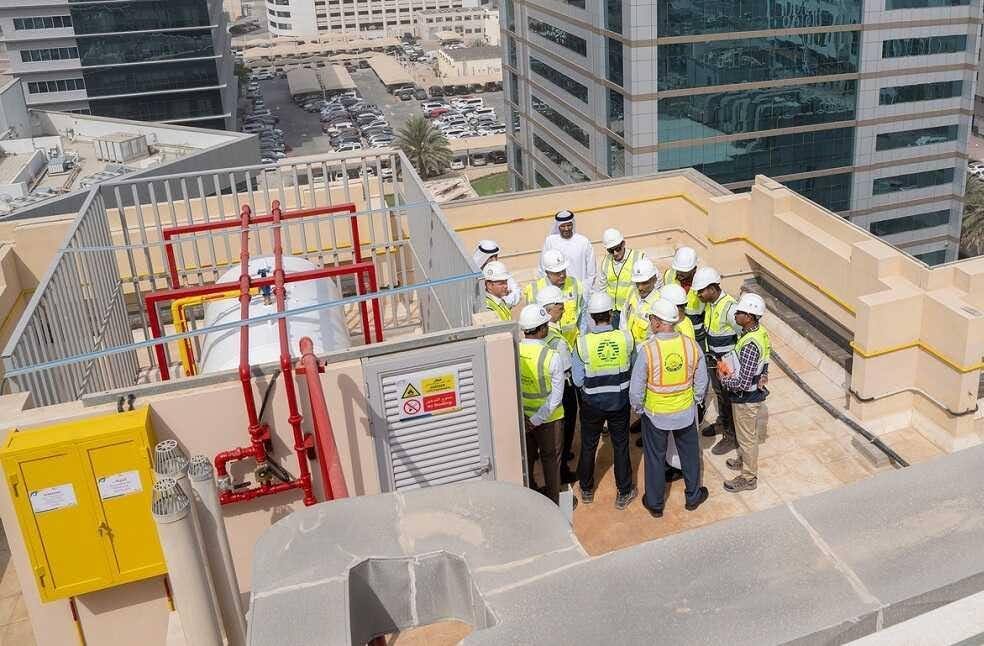
A properly designed residential gas pipeline installation system provides the foundation for safe, convenient, and uninterrupted gas supply. From centralized LPG storage and pressure regulation to residential gas piping and apartment-level connections, every component must be engineered with precision and installed by qualified professionals.
For developers and property managers, investing in expert installation and regular maintenance ensures long-term reliability, regulatory compliance, and peace of mind for residents.
Contact Gulf Gas today
Looking for professional residential gas pipeline installation services in the UAE?
Gulf Gas offers complete LPG system design, installation, testing, commissioning, maintenance, and emergency support for residential buildings, villas, and housing communities.
Contact our team today to discuss your project requirements and discover how we can deliver a safe and efficient gas infrastructure solution for your property.