
Natural Gas Pipeline Installation & Maintenance in UAE: Complete Guide
Natural gas is generally utilized in various facilities in the UAE spanning commercial, residential, hospitality, industrial and other large-scale facilities. Properly designed natural gas pipelines are an important component of modern gas infrastructure, as buildings and businesses search for reliable energy systems.
A natural gas pipeline system will carry gas through a permanent pipe network to serve several appliances or points of use as opposed to individual gas cylinders. Careful planning, engineering, installation, testing and regular maintenance is required.
Professional natural gas pipeline installation in the UAE plays a crucial role in ensuring the components function harmoniously and securely.
Natural Gas Pipeline System: What is it?
A natural gas pipeline system is a group of pipelines engineered to move natural gas from a supply source to various points of use inside the building, facility or industrial site.
A system can be made up of:
- Natural gas supplies connection
- Gas pipelines
- Pressure regulators
- Isolation valves
- Gas meters
- Safety shut-off devices
- Gas detection and alarm systems
- Appliance connections
- Equipment to control and monitor
The size and design will vary with the gas demand, number of appliances, operating pressure, building design, length of pipeline and future needs.
In larger facilities, the system might require detailed engineering calculations as well as a well-designed distribution network.
Where Are Natural Gas Pipeline Systems Used?
Natural gas systems can be designed for a wide range of applications.
Hotels and Hospitality Facilities
Hotels often have large kitchens, restaurants, boilers, laundry facilities, and other equipment that may require a dependable gas supply.
A properly engineered pipeline system can distribute natural gas to multiple areas while allowing the supply to be controlled and monitored.
Commercial Kitchens
Restaurants, cafeterias, catering facilities, and commercial kitchens can use natural gas for cooking equipment, ovens, burners, and other appliances.
The pipeline needs to be designed according to the total gas demand and the requirements of the connected appliances.
Industrial Facilities
Industrial facilities may use natural gas for burners, heating systems, furnaces, boilers, production processes, and other equipment.
Industrial applications often require more detailed system design because of higher gas demand and the need to maintain stable operating conditions.
Residential Buildings
Natural gas can also be distributed through fixed pipeline networks in suitable residential developments.
The system can be designed to supply multiple apartments or residential units from a central connection.
Educational and Institutional Buildings
Universities, schools, and other large facilities may require gas for kitchens, laboratories, heating systems, or other specialized applications.
Natural Gas Pipeline Installation Process
Professional installation should follow a structured process rather than treating the pipeline as a simple plumbing project.
1. Site Survey and Requirement Assessment
The first stage is understanding the property and its gas requirements.
Engineers may assess the building layout, gas source, number of appliances, required gas flow, operating pressure, available routes, ventilation, equipment locations, and future expansion needs.
A detailed site assessment helps identify the most suitable pipeline arrangement.
2. Gas Load Calculation
The required gas load needs to be established before the pipeline is sized.
The calculation considers the connected appliances and their gas consumption. It also helps engineers determine the appropriate pipe sizes and pressure requirements.
Incorrect sizing can lead to poor gas pressure and inefficient appliance operation.
3. Pipeline Design
After assessing the requirements, engineers develop the pipeline design.
The design may determine:
- Pipeline routes
- Pipe sizes
- Pressure levels
- Regulator locations
- Valve locations
- Meter positions
- Safety devices
- Gas detection requirements
- Appliance connections
Gulf Gas provides gas design and engineering services for natural gas, LPG, SNG, medical gas, and industrial gas applications. Its engineering services cover applications including restaurants, kitchens, hotels, industrial facilities, cafeterias, universities, ovens, and burners.
4. Material and Equipment Selection
Pipeline materials and system components should be selected according to the gas, pressure, environment, application, and applicable project requirements.
Using appropriate materials and certified components can improve the reliability and service life of the installation.
5. Pipeline Installation
Once the design is approved, qualified technicians can install the pipeline network.
Installation involves routing and securing the pipes, connecting valves and regulators, installing safety equipment, and connecting the system to the required points of use.
The installation should follow the approved design and applicable UAE requirements.
6. Testing and Commissioning
Testing is a critical stage before the system becomes operational.
The completed pipeline should undergo appropriate testing and inspection to identify leaks, pressure issues, defective connections, or other installation problems.
After successful testing and required approvals, the system can be commissioned for operation.
Why Natural Gas Pipeline Maintenance Is Important
Installing a natural gas pipeline is only the beginning. Regular maintenance is necessary to keep the system operating safely and reliably.
Over time, components can experience wear, corrosion, accidental damage, or performance issues. Regulators and valves may also require inspection and servicing.
A planned maintenance programme can help identify problems before they result in system failure.
What Does Natural Gas Pipeline Maintenance Include?
Maintenance requirements depend on the system and its operating conditions, but a professional maintenance programme may include inspection and testing of:
Pipeline Condition
Pipes should be checked for visible damage, corrosion, deterioration, or other issues that could affect the system.
Valves and Regulators
Valves and pressure regulators are important components of a gas distribution network. Their condition and operation should be checked as part of scheduled maintenance.
Gas Meters
Meters should be inspected and maintained according to the applicable requirements and equipment specifications.
Gas Detection Systems
Where gas detection equipment is installed, the system should be inspected and tested to ensure that alarms and associated safety functions operate correctly.
Connections and Joints
Connections are important inspection points because defective joints can become potential leak sources.
Emergency Shut-Off Systems
Emergency isolation equipment should remain accessible and functional so that gas flow can be stopped when necessary.
Common Natural Gas Pipeline Problems
Several problems can affect a gas pipeline system if installation or maintenance is inadequate.
Gas Leaks
Gas leaks are one of the most serious concerns associated with gas infrastructure. Any suspected leak should be treated as a safety issue and handled according to the facility’s emergency procedures.
Low Gas Pressure
Low pressure can affect the performance of connected appliances.
Possible causes may include an incorrectly sized system, regulator problems, supply limitations, or other system faults.
Damaged Pipelines
Physical damage can occur during construction, renovation, equipment movement, or other activities around a facility.
Pipeline routes should therefore be protected and inspected regularly.
Corrosion
Depending on the environment and installation conditions, corrosion can affect pipeline components over time.
Regular inspection can help identify deterioration before it becomes a larger problem.
Poor Pipeline Design
An incorrectly designed system may struggle to provide the required gas flow to all connected appliances, particularly during periods of high demand.
This is why professional design and gas load calculations are important before installation.
Natural Gas Pipeline Safety in the UAE
Safety should be considered at every stage of a natural gas project.
The exact requirements can vary according to the emirate, building type, gas system, project scope, and relevant authority. Gas systems should therefore be designed, installed, tested, and maintained by qualified professionals who understand the requirements applicable to the project.
Important safety considerations may include suitable pressure control, isolation valves, ventilation, gas detection, emergency shut-off arrangements, correct pipeline identification, and controlled access to gas equipment.
Gulf Gas states that health, safety, and environment are a key part of its services and that it provides gas system solutions with a focus on safety and quality.
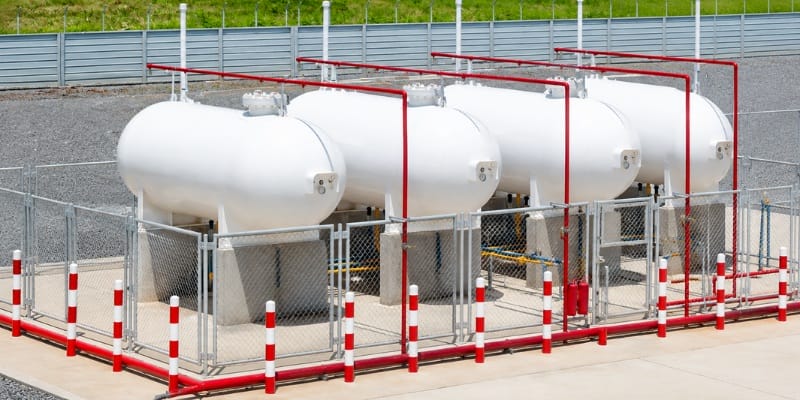
Natural Gas Pipeline Installation vs LPG Pipeline Installation
Natural gas and LPG systems both require professional engineering, but they are not identical.
Natural gas is normally supplied through a natural gas network or suitable gas source, while LPG can be supplied from cylinders, bulk storage tanks, or other LPG supply arrangements.
The differences in gas properties, supply arrangements, pressure requirements, storage, and equipment mean that the pipeline system must be designed specifically for the gas being used.
Choosing between LPG and natural gas depends on the property’s location, available supply, application, consumption, infrastructure, and project requirements.
When Should You Consider Upgrading an Existing Natural Gas System?
An existing system may need assessment or upgrading when:
- Gas demand has increased.
- New appliances are being added.
- The building has been renovated.
- Gas pressure is inconsistent.
- The pipeline has visible deterioration.
- Safety equipment requires upgrading.
- The existing system no longer meets the facility’s requirements.
- The facility is experiencing repeated gas-related problems.
Gulf Gas states that it can assess and maintain natural gas systems that were not originally installed by the company. Its engineering team can inspect an existing system and recommend changes where required.
Benefits of Professional Natural Gas Pipeline Services
Working with an experienced gas engineering company can provide several advantages.
Improved System Reliability
A properly designed and maintained system can provide a more dependable gas supply to connected appliances.
Better Safety Management
Professional design and maintenance can help identify potential issues with pressure, leaks, valves, connections, and safety equipment.
Efficient Gas Distribution
Correct pipeline sizing and system design help distribute gas according to the requirements of the facility.
Easier Maintenance
A well-planned system provides suitable access to important components, making inspection and servicing easier.
Support for Future Expansion
Professional engineers can consider future gas demand when designing a new system, reducing the need for major modifications later.
Why Choose Gulf Gas for Natural Gas Pipeline Installation in UAE?
Gulf Gas provides natural gas pipeline installation and maintenance services for different types of facilities in the UAE.
The company has been operating since 1998 and provides gas design& engineering, installation, maintenance, and emergency services. Its engineering capabilities include natural gas pipeline systems ranging from smaller office applications to large industrial gas systems.
Gulf Gas can support projects involving:
- Natural gas pipeline design
- New pipeline installation
- Existing system assessment
- Pipeline maintenance
- System repair
- Refurbishment
- Testing and commissioning
- Gas system modifications
The company also provides solutions across LPG, natural gas, firefighting, medical gas, cryogenic, and maintenance segments.
How to Choose a Natural Gas Pipeline Company in the UAE
Before selecting a service provider, consider its engineering experience, technical capabilities, safety approach, project history, maintenance support, and understanding of UAE requirements.
A professional provider should be able to assess your facility rather than offering a one-size-fits-all system.
The right solution should be based on the actual gas demand, building layout, equipment requirements, pipeline route, safety requirements, and future needs.
Conclusion
A natural gas pipeline system & installation can provide reliable and efficient gas distribution for residential developments, hotels, restaurants, commercial properties, and industrial facilities. However, the performance and safety of the system depend heavily on professional design, correct installation, proper testing, and regular maintenance.
For businesses planning a new natural gas connection or looking to improve an existing system, a professional site assessment is an important first step.
Gulf Gas provides natural gas pipeline installation and maintenance in the UAE, supporting projects from design and engineering through installation, testing, maintenance, and system upgrades. With experience across residential, commercial, industrial, and specialized gas applications, the company can develop solutions based on the requirements of each facility.